Cold Chain Logistics Isn’t About Temperature It’s About Protecting Outcomes
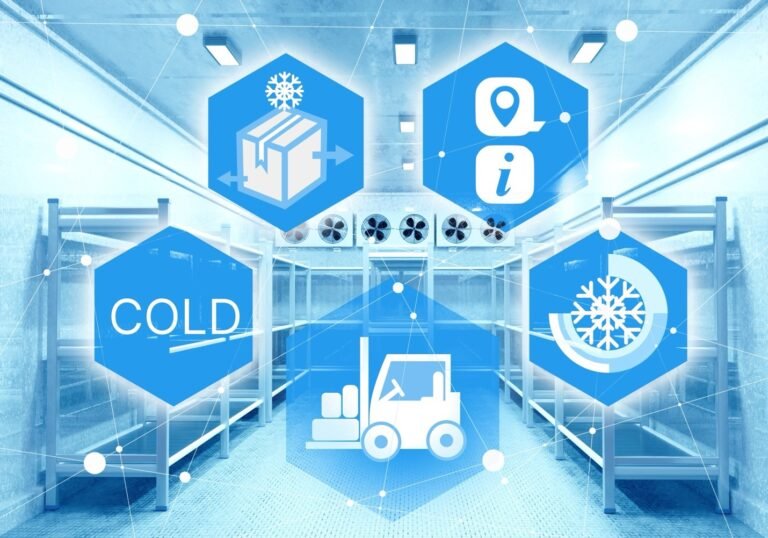
Cold chain logistics is often treated as a question of equipment: the right trailer, the right setpoint, the right technology. In reality, most cold chain failures have very little to do with broken refrigeration units.
They happen because of small planning gaps, unclear responsibilities, and missed signals that compound over time.
For temperature-sensitive freight—produce, pharmaceuticals, biologics, and refrigerated foods—protecting the cold chain requires more than maintaining a number on a screen. It requires disciplined preparation, qualified partners, real-time awareness, and professional response when conditions change.
This article explains why cold chain success is built before pickup, how risk actually enters temperature-controlled shipments, and what transportation intermediaries must do to protect product integrity, reduce claims, and preserve trust.
Cold chain logistics exists for one reason: to protect the integrity of the product.
When freight is temperature-sensitive, the margin for error is small. A short delay. A few degrees off setpoint. A breakdown in communication. Any one of those can shorten shelf life, trigger a rejection, or turn into a claim that damages relationships and reputations.
That’s why cold chain logistics is not just a question of equipment.
It’s a matter of planning, accountability, and execution across the entire move.
The Cold Chain Starts Before the Truck Ever Moves
One of the most common mistakes in temperature-controlled freight is assuming the cold chain begins when the trailer doors close.
It doesn’t.
The cold chain starts with decisions made well before pickup:
By the time freight is loaded, most of the risk is already baked in. When requirements are vague or rushed, there is very little room to recover later.
In cold chain logistics, problems are almost always easier to prevent than explain.
Most Cold Chain Failures Are Small—and That’s the Problem
Cold chain failures rarely come from one catastrophic event. They usually happen because several small things go wrong at the same time:
None of these issues alone guarantees failure. Together, they create the conditions for it.
This is why cold chain success depends on consistent execution at every handoff, not just one strong link in the chain.
Regulation Changed the Expectations
Cold chain transportation isn’t governed by “best practices” alone. It’s governed by regulation.
In the U.S., the Food Safety Modernization Act (FSMA) shifted food safety from reaction to prevention. Instead of asking what went wrong after the fact, regulators now expect companies to show what controls were in place beforehand.
For brokers and 3PLs, this matters because transportation intermediaries may be treated as “shippers” when they define requirements and arrange transportation. Responsibilities can be assigned contractually, but accountability does not disappear when something goes wrong.
Clear requirements, qualified partners, and solid documentation aren’t just good practice—they reduce real business and compliance risk.
Refrigeration Doesn’t Create Cold
Another common misunderstanding: refrigeration units don’t magically cool warm freight.
They remove heat. Slowly.
Heat enters temperature-controlled shipments from multiple sources:
Many temperature issues happen even when the unit is running properly. The problem isn’t broken equipment—it’s expectations that don’t match reality.
Pre-cooling, airflow, and proper preparation matter more than the brand name on the refrigeration unit.
Visibility Only Helps If Someone Is Paying Attention
Temperature sensors, tracking platforms, and real-time alerts have become standard in cold chain logistics. They’re valuable tools—but they don’t prevent problems on their own.
Data only helps when:
An alert that no one reviews offers no protection. Visibility creates the opportunity to respond—but only if there’s a plan to do something with it.
When Something Goes Wrong, How You Respond Matters
Even with proper planning, cold chain issues still happen. Delays, equipment problems, and temperature deviations are part of reality.
What separates strong intermediaries from risky ones is how they respond:
Not every deviation becomes a claim. But every deviation creates risk. Professional response and documentation protect everyone involved.
Cold Chain Responsibility Is Shared
Cold chain logistics involves multiple parties—shippers, intermediaries, carriers, and facilities. Each has a role to play.
Most disputes don’t come from bad actors. They come from unclear expectations and misaligned responsibilities.
Cold chain reliability improves when:
Clear roles reduce friction before freight ever moves.
Preventing Loss Is the Most Sustainable Thing You Can Do
Sustainability in the cold chain isn’t just about new technology or fuel types. One of the biggest sustainability failures is product loss.
When freight is rejected or destroyed:
Protecting product isn’t just good operations—it’s responsible logistics.
Key Takeaways
The Forza Commitment
At Forza Logistics Group, cold chain logistics is about protecting outcomes—not reacting to problems after delivery.
We believe the cold chain is built through preparation, disciplined execution, and accountability at every handoff. That means asking better questions upfront, selecting qualified partners, maintaining real-time oversight, and responding professionally when conditions change.
If you ship temperature-sensitive freight and want a logistics partner who treats your product, brand, and reputation as if they were their own, that’s the work we do every day.
Let’s talk before the next shipment moves.
Copyright © 2025 All Rights Reserved.