Temperature and run mode go on the rate confirmation, not just the bill of lading. If a driver runs the wrong mode there is no argument later about what was agreed.
Refrigerated Freight
Produce, dairy, cheese, fresh and frozen protein, moved by people who spent thirty years on the shipper side watching it go wrong.
What actually goes wrong
The unit was not pre-cooled. The temperature on the rate confirmation did not match the one on the bill of lading. The driver ran continuous when the commodity needed cycle. Nobody mentions any of it until a receiver pulls a pulp temp at the dock and rejects the load, and the first you hear is from your own customer.
Cold chain
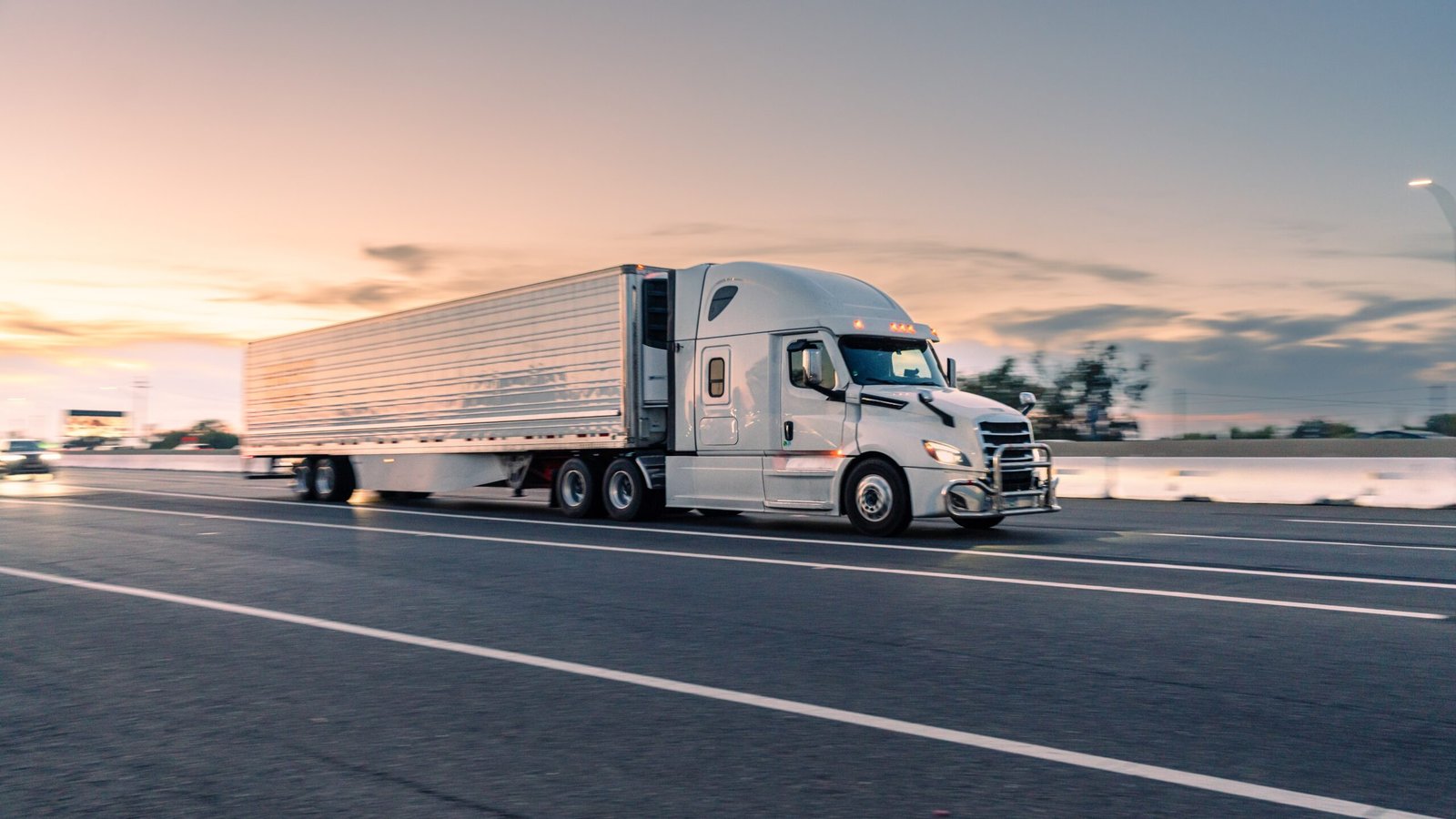
Refrigerated freight is not a trailer type. It is a discipline.
How we run a reefer load
Temperature and run mode go on the rate confirmation, not just the bill of lading. If a driver runs the wrong mode there is no argument later about what was agreed.
Confirmed before the trailer is loaded rather than reconstructed after a claim.
Location and status tracked for the full run, so a problem surfaces while the truck is still moving and something can still be done about it.
Every carrier clears Forza Shield before it touches your freight. Cold chain is not where you want to discover a carrier is not who it said it was.
Not a queue and not a shared inbox. A name, and a phone number that gets answered.
Produce does not stop on Friday afternoon, so neither does the desk.
FSMA and sanitary transportation
The FDA Sanitary Transportation of Human and Animal Food rule puts written obligations on everyone who touches food in transit. Most of it stays invisible until product is challenged, and then it is the first thing anyone asks to see.
Prior load and trailer condition confirmed before loading on freight that calls for it, with wash-out documented when the commodity requires one.
Set point, run mode and any sanitary condition your product requires go to the carrier on the rate confirmation, not in a phone call nobody can produce later.
Trailer checked for odor, debris, damage and prior residue before product goes in, because a receiver will look even if nobody else did.
Temperature agreement, carrier acknowledgment and unit download retained and available when a customer, a receiver or an auditor asks for them.
Forza is the broker, not the carrier and not the receiver. What we control is that the requirements are specified before dispatch and documented after, so nobody is reconstructing them from memory when it matters.
What we move
Field heat through final mile, across the Salinas, Yuma, Nogales, Valley, Michigan and Florida deals.
Including contracted lane programs where the same trucks run the same lanes every week.
Tight temperature bands and receivers who check.
Temperature-sensitive freight that does not fit a standard reefer profile.
At the receiver
Pre-cool verified before the trailer is loaded, not reconstructed after a claim.
Receivers, appointments and claims
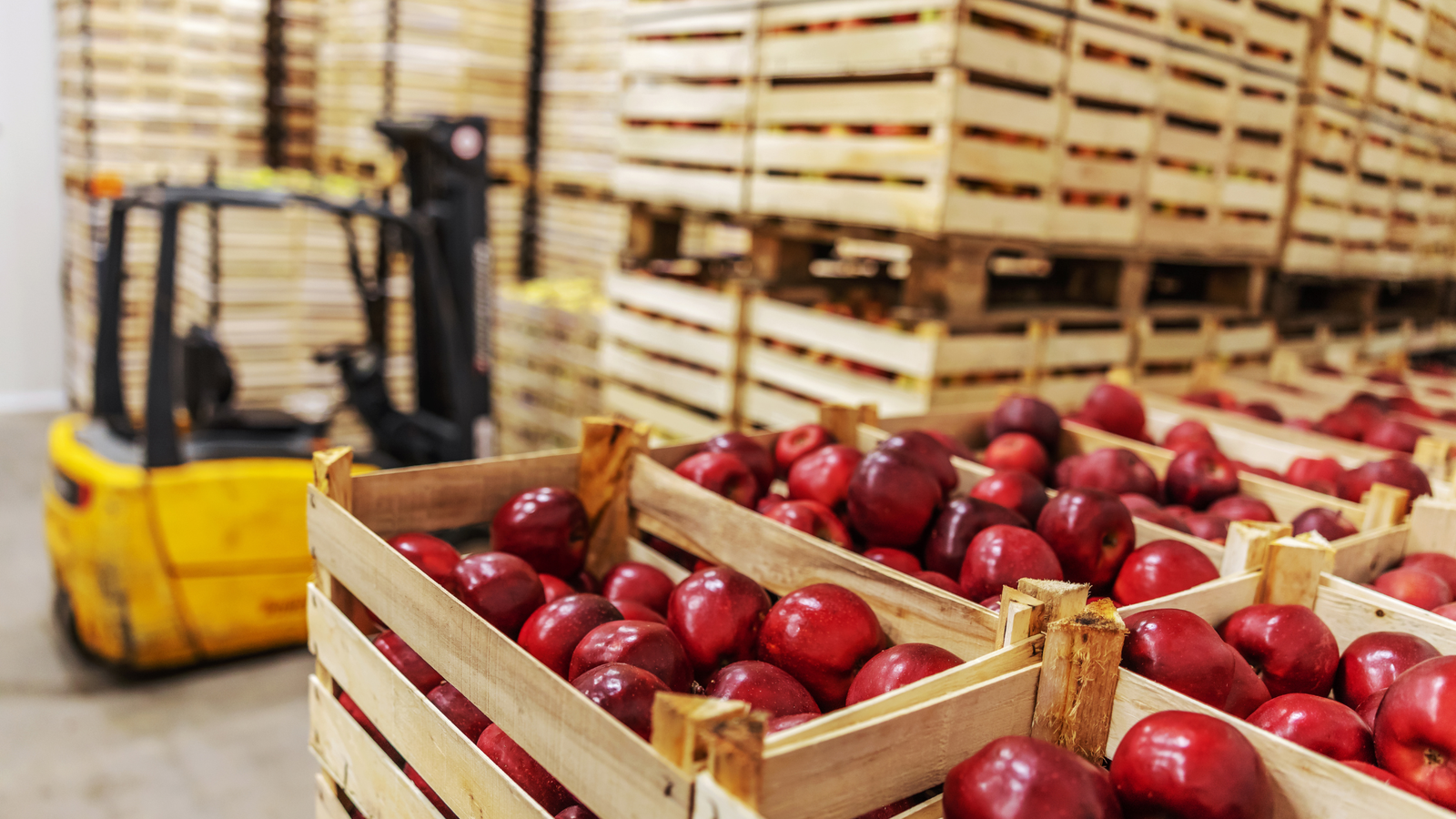
Cold chain does not fail at the receiver. It fails earlier and gets discovered at the receiver. So the details a receiver will check are handled while the freight is still moving, not argued about after the product is on the dock.
Appointments booked against real transit and real capacity rather than optimistic math, with receiver windows and check-in requirements confirmed before dispatch.
Pulp temp expectations, seal policy, pallet exchange and lumper requirements, and download requirements handled before the truck arrives.
Set point and run mode documented on the rate confirmation, with the unit download available when a receiver or an adjuster asks for it.
If product is questioned at the dock we work the reconsignment, the salvage option and the customer conversation, not just the claim form.
Exceptions documented at delivery, so an over, short or damaged claim is not decided by whoever wrote the least on the paperwork.
Produce season, holiday freeze and end-of-month surges planned in advance, because that is exactly when uncommitted capacity gets expensive.
When it goes wrong anyway
Sometimes a unit fails, a receiver closes early, or weather shuts a lane. What you get from Forza is a person who tells you while there is still time to react, and who stays on it until it is resolved. No runaround, no disappearing act.
