Who owns pickup day?
Ask for the operations contact who will handle the shipment, not only the person who sold the service.
FROM THE FIELD / CARRIER IDENTITY THEFT
A shipper asked Forza to help review a suspicious pickup arranged through another broker. The details at the dock needed a closer look.
FOLLOW THE REVIEW ↓The load wasn’t ours. The concern mattered. Forza had never billed this shipper for a load. With pickup approaching, the shipper called Nicholas Mascari for help reviewing the carrier.
An account from Nicholas MascariCOMPANY IDENTITY
The MC number, DOT number, insurance documents and trucking company were real. The identity being presented belonged to a legitimate carrier.
In Nicholas Mascari’s account, a fraud ring had taken over the carrier’s phone and email communications. The people responding were not the company representatives the shipper believed they were dealing with.
DOCUMENT REVIEW
The baseline checks supported a real carrier identity. They did not establish who was controlling the communication—or who would arrive for pickup.
Documents answered part of the question. The actual handoff still needed a closer look.
EQUIPMENT COMPARISON
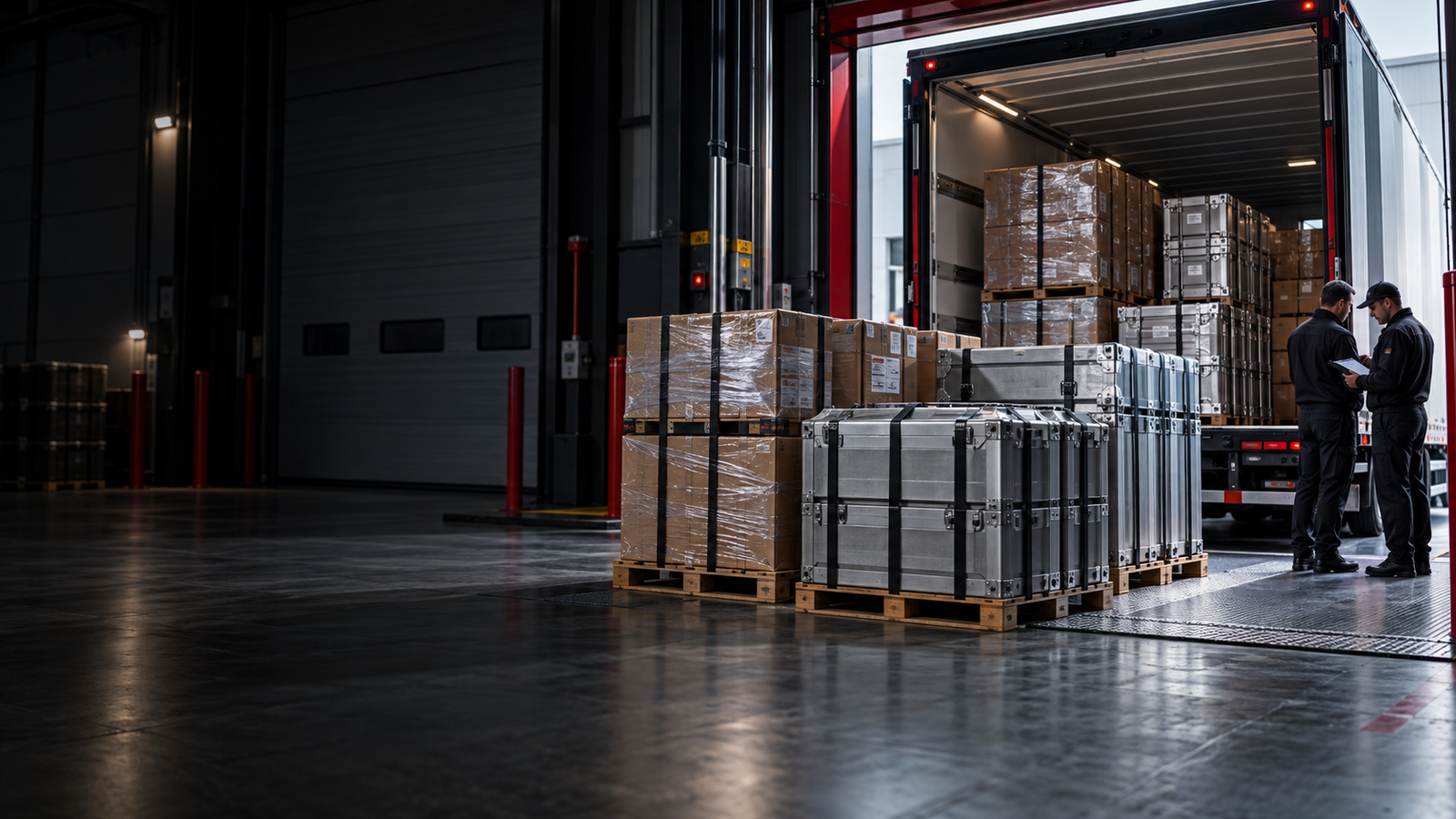
Nicholas used GenLogs roadside imagery to compare photographs of the legitimate carrier’s trucks with the equipment expected at the dock. The discrepancy raised a further concern and gave the shipper time to prepare before the driver arrived.
An equipment mismatch alone is not proof of fraud. Here, it was a reason to investigate the pickup more closely.
RELEASE HELD
The freight was not released. Nicholas reports that state police and the FBI took over the matter.
Forza’s contribution was connecting the available information, questioning the mismatch and helping the shipper act before releasing the freight.
CONNECTED REVIEW
Authority, insurance, identity, driver and equipment checks address different parts of the move. Verifying a company on paper and confirming the people and equipment at pickup are related, but distinct, tasks.
GenLogs supplied another point of comparison in this case. The value came from connecting those signals to a decision at the dock.
THE PERSON BEHIND THE REVIEW
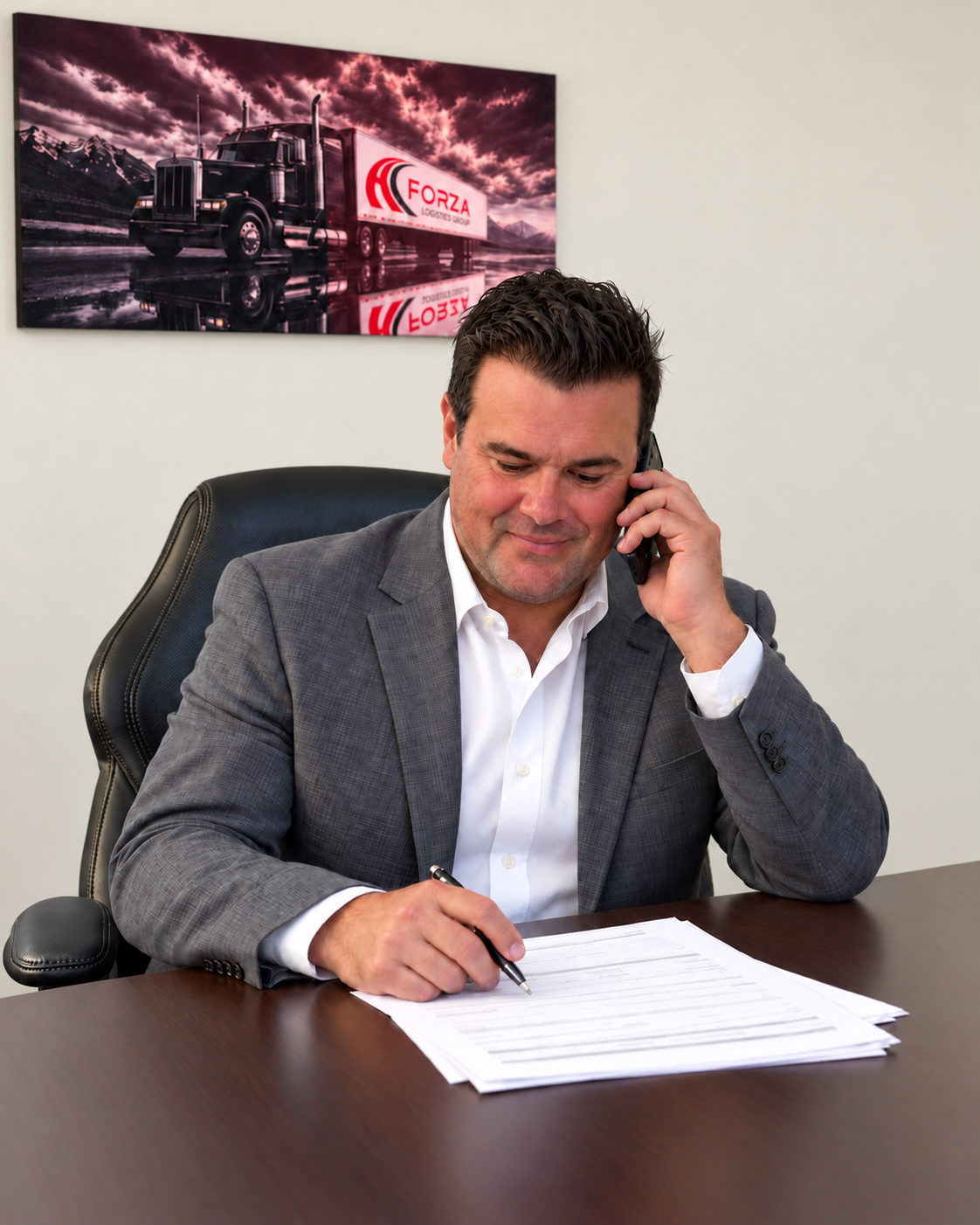
“The call came in on a load that wasn’t ours.”
Nicholas spent more than thirty years on the shipper’s side before founding Forza. That experience shapes the response: a concern at the dock deserves attention, including when another broker arranged the shipment.
Discuss a carrier concern →BEFORE YOUR NEXT PICKUP
Ask for the operations contact who will handle the shipment, not only the person who sold the service.
Ask how a discrepancy is investigated and who decides whether to hold the release—even when baseline checks pass.
Establish the escalation contact before a problem arises or the plan changes.
PUT THE LESSON TO WORK
See how authority, insurance, identity, carrier history, driver, equipment, pickup and monitoring connect.
SEE THE 8 FORZA SHIELD CHECKS →Keep the Shipper’s 10-Minute Freight Security Check at hand when reviewing carrier and pickup controls.
DOWNLOAD THE SHIPPER’S 10-MINUTE FREIGHT SECURITY CHECK →This case study reflects Nicholas Mascari’s account of one incident. Shipper and carrier identities are omitted. It is not a law-enforcement finding or a guarantee that verification will detect every fraudulent pickup. Visuals illustrate the review; they are not evidence photographs from the incident.
Continue the review: freight security resources · choosing a freight broker